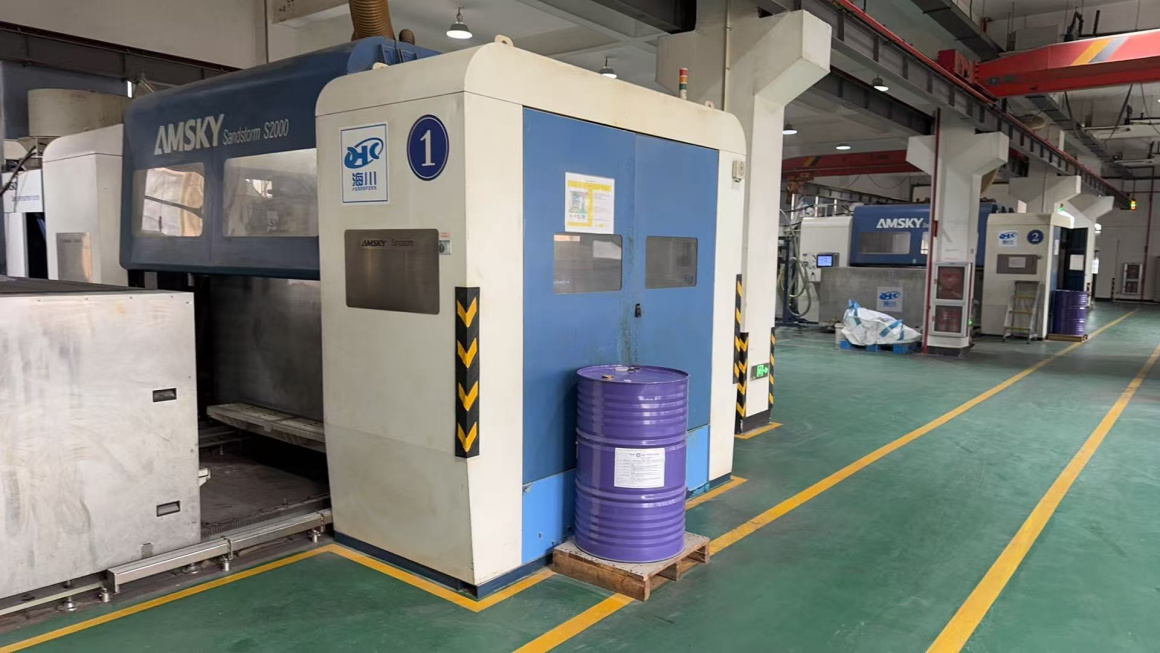
Rapid 3D sand printing is a binder jet based additive manufacturing technology developed specifically for the foundry industry. It enables direct digital production of sand molds and cores for mold free, fast manufacturing. Using base materials such as silica sand and ceramic sand, the process employs furan resin based binders and other alternative binders. Sand layers are built up according to 3D digital models, with binder selectively deposited to cure each layer and form high precision sand molds. This eliminates the conventional fabrication of wooden or metal patterns.
Key Advantages
Dramatically shortened lead times: Traditional pattern fabrication takes several weeks, whereas 3D printed sand molds can be produced within 1 3 days, cutting development cycles by over 50%.
Design freedom: It delivers geometries with intricate internal cavities, thin wall sections and conformal flow channels that are difficult or impossible to produce via conventional methods. Integrated one piece printing minimizes assembly related defects.
High dimensional accuracy: Dimensional precision reaches ±0.1 mm, meeting Class A casting requirements. Superior surface finish reduces post processing allowances.
Cost reduction & improved efficiency: No pattern making tooling is required. Total production costs for one off and low volume parts drop by 30% 50%. Recyclable sand also supports environmentally friendly operation.
Typical Applications
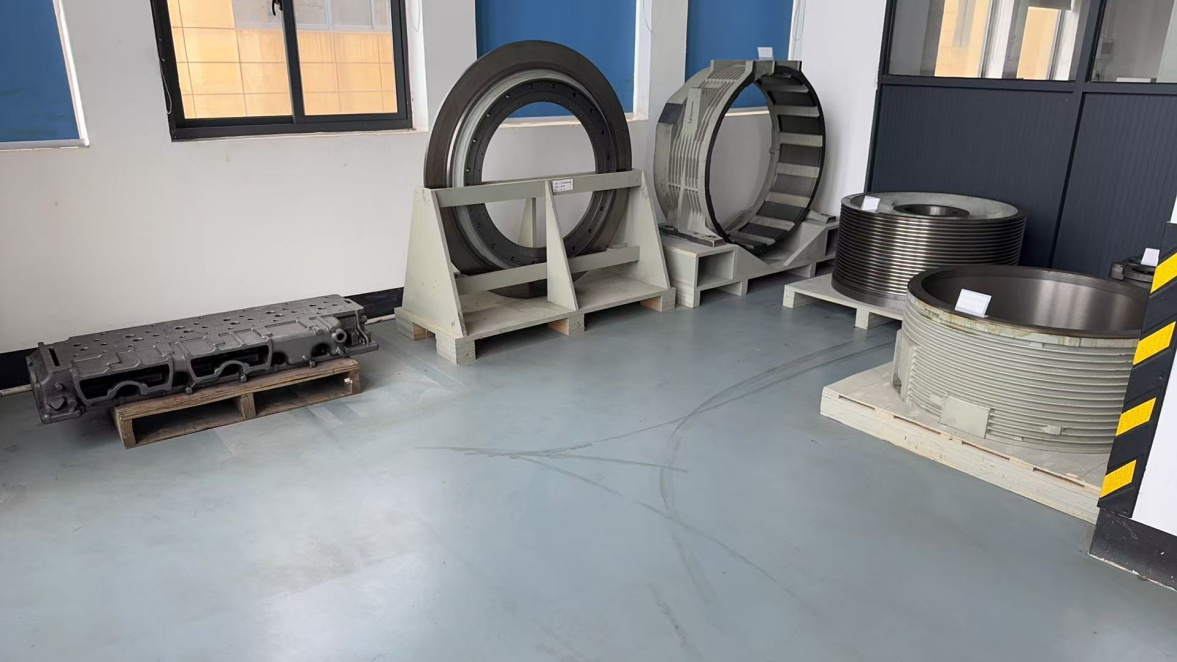
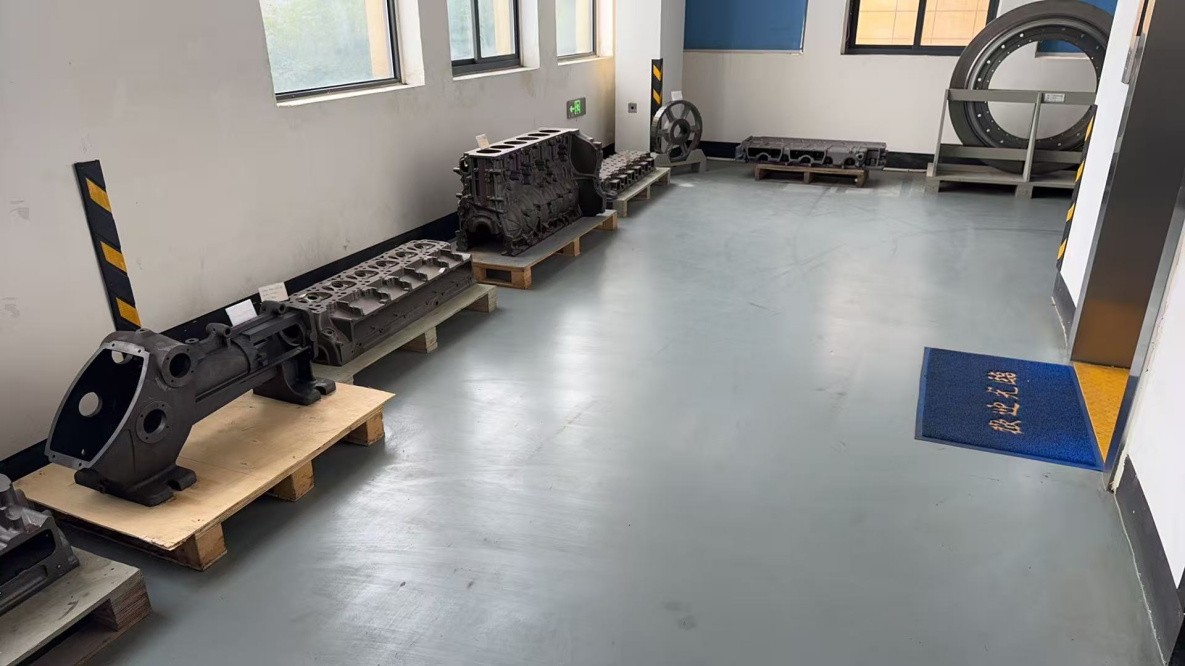
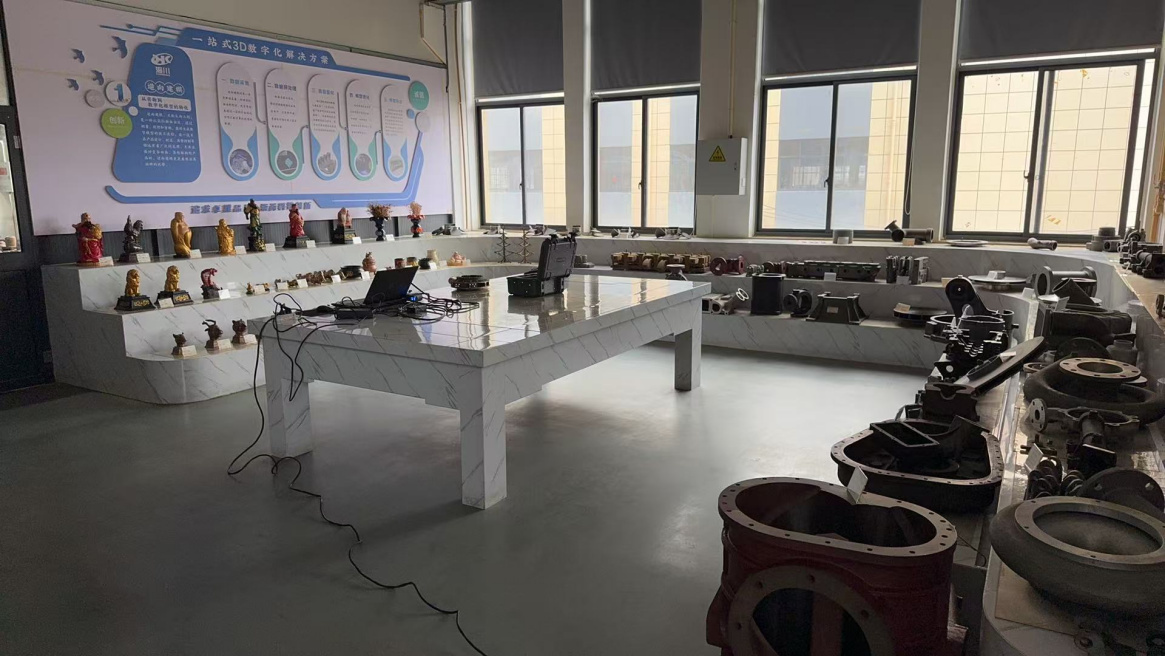
This technology is widely adopted across automotive, aerospace, power generation equipment, construction machinery and road building machinery sectors. Typical components include engine blocks, turbine housings, complex pump casings and large structural castings. It fits prototype development, custom low volume runs as well as mass production scenarios.
Technical Value
This digital driven technology connects the full workflow from design and printing through to metal pouring. It drives innovation in foundry operations, allowing manufacturers to accelerate product iteration, shorten lead times and strengthen market competitiveness. It serves as a critical bridge linking advanced additive manufacturing with traditional casting.