As a core enabler of intelligent manufacturing, casting reverse engineering overcomes the limitations of forward design. It reconstructs digital representations from physical castings and has become a key technology for quality improvement, efficiency gains and digital transformation within the foundry industry.
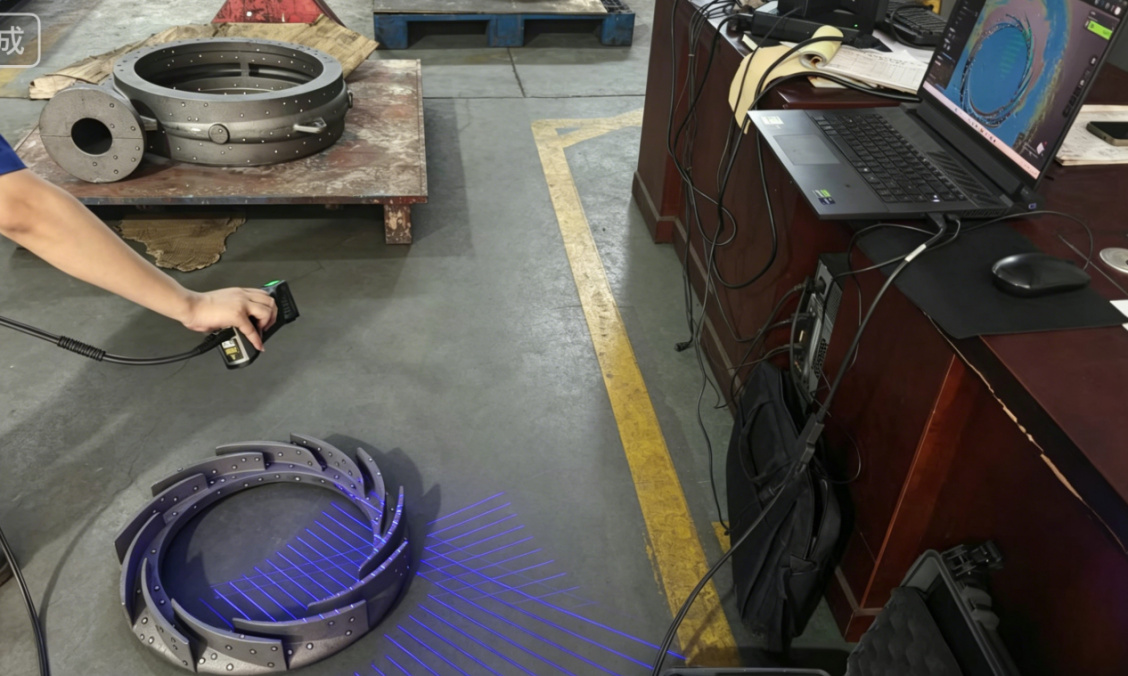
Simply put, casting reverse engineering is a reverse digital workflow: from physical part to digital model. Unlike forward design, which develops products starting from engineering drawings, this technology uses 3D laser scanners, structured light acquisition systems and other hardware to capture geometric data including overall profiles, surface curvatures and edge features in a non contact manner. High precision point cloud data is generated, followed by data processing and model reconstruction in specialized software to output editable, manufacturing ready standard CAD models.
The workflow is streamlined, efficient and precision controlled. First, industrial grade scanners capture full coverage data of castings, faithfully recording complex geometries and fine details while avoiding blind spots and large measurement errors common in manual inspection. Raw point cloud data then undergoes pre processing including noise reduction, alignment and hole filling to remove scan artifacts. Surface fitting, feature extraction and model optimization follow to restore accurate part geometry, achieving modelling accuracy up to ±0.02 mm, well within tolerance requirements for industrial foundry production.
The technology is deployed widely across the full foundry value chain. Where legacy spare part drawings are lost, reverse engineering rapidly generates digital twins to enable fast spare part reproduction and resolve equipment maintenance bottlenecks. For castings with intricate free form surfaces, it reproduces actual physical geometry accurately, eliminates structural deviations introduced in forward design and significantly improves casting yield rates.
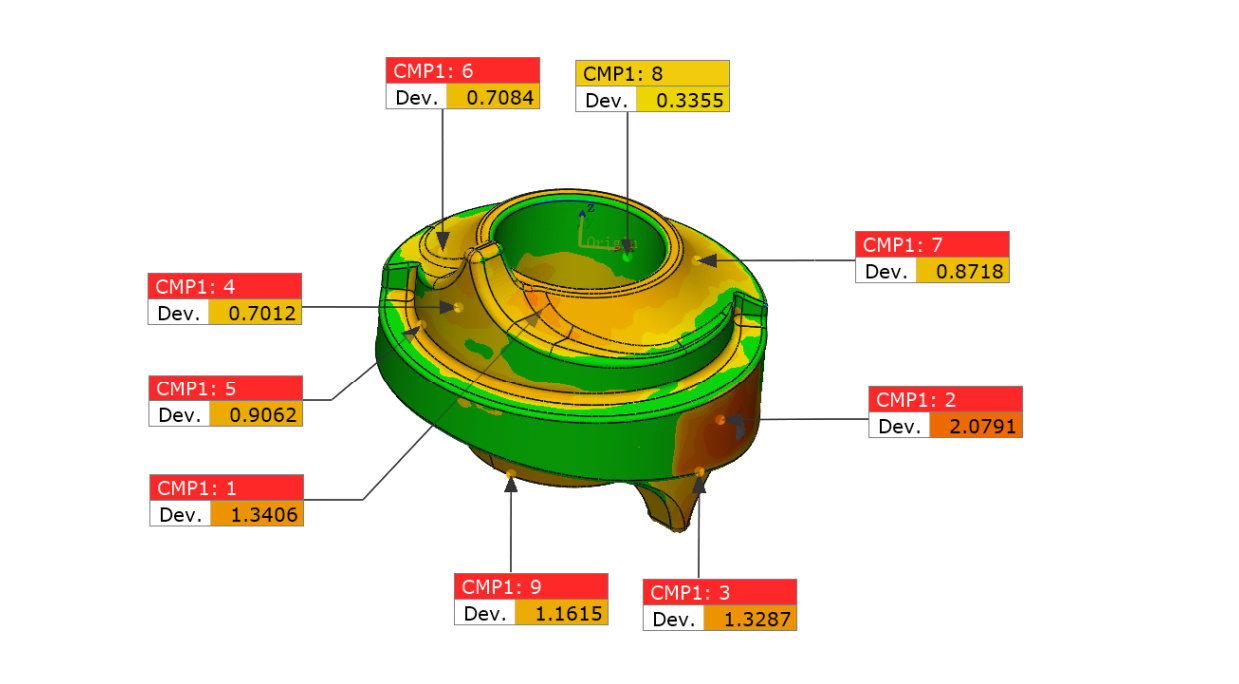
Reverse engineering also supports casting performance upgrades. Comparative analysis based on digital models pinpoints structural flaws such as uneven wall thickness and stress concentrations. This supports engineers in lightweight redesign, process refinement and optimized gating system layouts to minimize manufacturing defects including porosity and distortion. Moreover, reconstructed standard digital models seamlessly feed into mold design, simulation analysis and CNC machining, closing the digital loop for foundry operations.
Compared with conventional modelling approaches, casting reverse engineering drastically cuts R&D and replication lead times, reduces manual measurement errors by over 90 % and multiplies modelling efficiency, lowering development and trial and error costs. A key outcome of integrating digital technologies with traditional casting, reverse engineering unlocks value from existing physical components. It delivers fundamental data support for innovative casting design, process iteration and smart manufacturing, acting as a vital instrument for the foundry sector to move beyond experience based production toward refined, digitally enabled manufacturing.